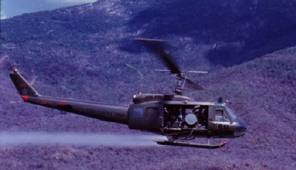
Here’s the latest definitive list on where Westmorland sprayed or dumped the fertilizer during the war. In addition, the list includes polluted American base sites. Hope this helps some of you figure out why you never went to Vietnam and still have all the symptoms of the exposure.
I must add that there should be a few more on here from Laos. LS-85, Phu Pha Thi, which was overrun by the NVA in 1968, was absolutely drenched with Blue and Orange to decimate the foliage over the years. L-22 Xiang Khouang and L-108 Muoung Soui were, too. LS-20 A (alternate) and LS-20 Ban Sam Thong were hosed extensively as well by the Meo (Hmong) kids with bleach bottle scoops to spread it. Air Am utilized a PC-6 Porter to spray a few poppy fields to pacify the American Press and media. Most were in areas held by Neutralists or Pathet Lao up near Sam Neua.
Courtesy of Dr. Ron R. in Arizona; good, basic information for those not familiar with the problems faced by Vietnam veterans and their families since 1961:
US Military Bases Known To Be Contaminated
The following 59 U.S. military bases were suffering from significant water or soil contamination a year ago, according to the Department of Defense’s interpretation of its latest hazardous waste survey. DoD officials say not every base suffering such contamination is on the list, because information was not available for all bases. The list is based on the latest status report for DoD’s Installation Restoration Program.The IRP report contains no explanation of the problems at each base, so we asked each service to provide details. The Army did so. The Navy Chief of Information refused to help us gather the information. Air Force Public Affairs could not provide the information by our deadline, but we will publish it as soon as it becomes available. We gathered information on some of these missing bases from EPA and a DoD report to Congress on “Superfund” sites. LIFE IN THE TIMES cannot vouch for the accuracy or completeness of the information that was provided.
Army
Aberdeen Proving Ground, MD
Essentially every land portion of the Edgewood, MD, area (on which a portion of the base is located) Is contaminated or potentially contaminated. Monitoring in 1977-78 indicated contamination of surface and ground water. Four standby wells were shut down in 1983 due to detected organic compounds. The base’s active drinking water supplies come from two off-post sources. Deer Creek and Winters Run, unaffected by contamination on base.
Fort A.P. Hill, VA
There are three problems. A herbicide contaminated the soil near an old pesticide storage building. The soil has been placed in sealed drums. Second, herbicide and dioxin Contaminated soil and debris are stored at a base warehouse in 33-gallon drums inside sealed 55-gallon drums. A study will be done to recommend an environmentally sound method of permanent disposal. Third, the base plans to remove some 70 tons of soil contaminated by DDT. The base water comes from a deep aquifer and is not contaminated, the Army says.
Fort Belvoir, VA
Several contaminants – benzene, trichloroethylene, chloroform, toluene, ethylbenzene, and 1-2-dichloroethane – have seeped from the Building 324 tank farm into an unnamed creek. None of these contaminants was detected in surface water at the installation boundary, and no health hazard is apparent, the Army, says. Post drinking water comes from the Fairfax County Water Authority.
Fort Devens, MA
A sanitary landfill that is a potential source of contamination is being closed. It was used as an open burning site, then for incineration of waste and burial of residues. Water quality meets state standards.
Fort Dix, NJ
Nine potentially contaminated sites are known. One, the sanitary landfill, was placed on the National Priority (Superfund) List due to the presence of organic solvents. However, the Army says no significant health hazards have been identified. To avoid any risk, the landfill may be capped with clean soil and vegetated with grass. The other eight sites were identified only recently. Organic solvents and/or petroleum products were located at an old magazine area, a tank farm, a fire station, the golf course, a motor pool, a firing range, a pesticide storage building, and a National Guard facility. Investigation is under way to determine any problems. The sites to not endanger the base water supply according to the Army.
Fort Lewis, WA
There are two problems: One, is Landfill No. 5. Plans call for a landfill liner and leachate collection to preclude ground water contamination. There are also plans for a refuse-fired incinerator to reduce reliance in the landfill. Also trichloroethylene (TCE) has been found in the ground water beneath the Logistics Center. Post drinking water comes from a spring unrelated to that aquifer.
Fort McClellan, AL
Ten old training areas and three former disposal sites have a slight chance of subsurface contamination from mustard agent and its breakdown products and possible byproducts of chemical agent decontamination. Only very small quantities of agent were used and all sites have been closed, decontaminated and fenced. No evidence of any surface or surface water contamination has been found in the past, the Army says. The post receives its water from the city of Anniston.
Redstone Arsenal, AL
A $30 million cleanup was recently completed by Olin Corp, which made DDT in a leased factory that was closed in 1970 for environmental reasons. Manufacturing waste was contaminating soils and streams. DDT was found in the wildlife food chain but not in potable water supplies inside or outside the base. In addition, the presence of PCBs. heavy metals, while phosphorous and other organic compounds is known or suspected. An investigation is under way to determine if they contaminated the active sanitary landfill, a DDT waste landfill, open burning and detonation grounds, and 22 old disposal sites. Also, a $5 million program is in progress to remove all asbestos from post buildings.
Navy
Brunswick NAS, ME
A study is under way to determine contaminants and their migration habits.
Lakehurst Naval Air Engineering Center, NJ
Soil and shallow ground water at the tetraethyl lead disposal site are contaminated, perhaps from aviation fuel. The ground water in some areas is covered with a 6-inch layer of JP-Fuel. Elsewhere, the carcinogen nitrsomine may be present. Waste oils, battery acid, and solvents are suspected of having been discharged into some dry wells. The soil stabilization field test received 362 gallons of aniline and 161 of furfural (toxic by ingestion, inhalation, or skin absorption), and ferric chloride solution; personnel and animals that come in contact with the soil may be endangered. A landfill received thousands of gallons of hydraulic fluids, five tons of asbestos, and also cutting oils, solvents, sludge. and heavy metals. A site for PCB testing and storage is near the environmentally sensitive Ridgeway Branch. The western portion of the base may be contaminated by ordnance: shells, gas-loaded projectiles, phosgene, phosphorus, mustard agent, explosives, flares, and depth bombs. The shallow aquifer in this area may also be contaminated.
Moffett Field NAS, CA
The major contaminants in the ground water are volatile organic compounds.
Whidbey Island NAS, WA
The ground water could be contaminated. Waste oil, solvents, fuel, and caustic rinse water containing heavy metals have been discharged through the storm sewer system and into Dugella Bay. Waterfowl and fish that feed or live in drainage’s may be affected. Subsurface migration at the seaplane base may have affected fish or shellfish in Oak and Crescent Harbors. A backup well at Ault Field is threatened by potential migration of contaminants.
Other Navy bases:
China Lake, CA
Indian Head NOS, MD
Jacksonville NAS, FL
Miramar NAS, CA
Pabmont River NAS, MD
Roosevelt Roads NS, Puerto Rico
Air Force
Castle AFB, CA
On-base drinking water supply has been contaminated with trichloroethylene (TCE). Work is under way to install a new well drawing from a deeper, uncontaminated aquifer.
Dover AFB, DE
Ground on the is contaminated with arsenic and other metals, and a stream on base is contaminated with trichloroethylene (TCE). The base well, however, is free of these contaminants. Remedial action has been under way since 1985.
Griffiss AFB, NY
Phenols, ethyl benzene, and benzene have been detected in ground water on base, and toluene in surface water on base.
Hill AFB, UT
Seepage water near two disposal areas contains toxic organic chemicals, such as trichloroethylene (TCE), 1-2 dichloroethane, and 1,1,1 trichlorethane. None of the affected water is used for human consumption. Remedial action to date includes construction of a slurry wall and landfill covers as well as pumping and treating contaminated ground water.
Mather AFB, CA
Water in 36 homes was affected by trichloroethylene (TCE) contamination of a well on base. A new permanent water supply is to be provided to these homes.
McChord AFB, WA
Various chemicals — methylene chloride, chloroform, benzene, arsenic, chromium, and mercury — have been detected in test wells and in surface drainage leaving the base. One site is a liquid waste spill next to the wash rack and industrial waste treatment system. Contracted work for the American Lake Gardens Water Supply Project began in 1985; a contractor installed shallow wells and one deep well.
McClellan AFB, CA
An estimated 160 sites have been identified. Contaminants include organic compounds, such as trichloroethylene (TCE), methylene chloride, and 1-1 dichlorethylene. Wells both on and off base that had contaminants exceeding government standards have been shut down. McClellan is considered a leader in cleanup efforts. Completed projects include alternate water supply for off base residents and a ground water containment system and treatment plant.
Norton AFB, CA
Trichloroethylene (TCE) was detected in concentrations exceeding state drinking water standards. All base wells were contaminated to various degrees with silver and tetrachlorethylene (PCE). Closure of a lagoon and sludge removal was begun several years ago.
Robins AFB, GA
Contaminants include halogenated solvents, heavy metals, pesticides (DDT, chlordane, etc.), cyanide, and oil products. The toxic organic compounds trichloroethylene (TCE), and tetrachloroethylene (PCE) have been detected in ground water on base. Ground water is not used as drinking water, but the contaminants could eventually appear in surface water.
Tinker AFB, OK
Some base wells were closed due to contamination from chlorinated solvents. Chlorinated solvents were also detected in the aquifer that is the primary water source in the region. Organic compounds have been detected at all sites, though migration is limited. Remedial action begun in 1984, includes capping landfill No. 6, and stopping leaks from underground storage tanks at the fuel farm.
Wright-Patterson AFB, Ohio
Fourteen organic compounds, including trichloroethylene (TCE) and tetrachloroethylene (PCE) in relatively high quantities have been found in wells serving the base. Nearly half the 17 wells have been shut down due to contamination or age. An air stripper has been put on two wells to remove the organics, and installation of two other strippers is planned.
Other Air Force bases:
Beale AFB, CA
Chanute AFB, IL
Charleston AFB, SC
Columbus AFB, MS
Edwards AFB, CA
England AFB, LA
F.E. Warren AFB, WY
George AFB, CA
Hanscom AFB, MA
Hickam AFB, HI
Kelly AFB, TX
Lowery AFB, CO
Luke AFB, AZ
Kirtland AFB, NM
Langley AFB, VA
MacDill AFB, FL
McGuire AFB, NJ
Moody AFB, GA
Mountain Home AFB, ID
Otis AG Base, MA
Pope AFB, NC
Pease AFB, NH
Plattsburgh AFB, NY
Reese AFB, TX
Seymour Johnson AFB, NC
Shemya, AL
Travis AFB, CA
Vandenburg AFB, CA
Wurtsmith AFB, MI
Herbicides Used In Military Operations During The Vietnam War
General use:
Herbicide, Borate-Bromacil mixture, 50-lb. bag
Herbicide, Bromacil, 80% powder, 50-lb. drum
Herbicide, Chlorate-Borate mixture, 50-lb. bag
Herbicide, Dacthal, 75% powder, 50-lb bag
Herbicide, Dalapon, 85% powder, 50-lb. drum
Herbicide, Dicamba, 49% solution, 1-gal. bottle
Herbicide, Diquat, 35.3% solution, 5-gal. drum
Herbicide, Diuron, 80% powder, 50-lb. drum
Herbicide, DSMA, 63% disodium methylarsonate, 100-lb. drum
Herbicide, Monuron, 80% powder, 50-lb. drum
Herbicide, Picloram + 2,4-D, 5-gal. drum
Herbicide, Picloram, 11.6% pellets, 50-lb. drum
Herbicide, Silvex, Low Volatile Ester, 4-lb/gal., 5-gal. drum
Herbicide, Simazinc, 80% powder, 5-lb. can
Herbicide, 2,4-D, Low Volatile Ester, 4-lb/gal., 5-gal. can
Herbicide, 2,4-D, Amine, 4-lb/gal., 5-gal. can
Herbicide, 2,4,5-T, Low Volatile Ester, 4-lb/gal., 55-gal. drum
Herbicide, 2,4,5-T, Low Volatile Ester, 4-lb/gal., 5-gal. pail
Tactical:
Herbicide, Cacodylic Acid (Blue), 55-gal. drum
Herbicide, Picloram + 2,4-D, (White), 55-gal. drum
Herbicide, 2,4-D + 2,4,5-T, High Volatile ester (Orange), 55-gal. drum
Chemicals Used – Where They’ve Been Found
I Corps – 2,355,322
Location Orange White Blue Total Gallons
A Shau 53,550 2,550 6,128 62,228
An Hoa 6,500 1,800 11,250 19,550
Binh Hoa 8,220 0 1,600 9,820
Cam Lo 80,375 8,660 12,785 101,820
Camp Carrol 78,200 5,400 5,050 88,650
Camp Eagle 14,250 0 0 14,250
Camp Esso 53,410 5,600 0 64,510
Camp Evans 18,690 0 880 19,570
Camp Henderson 68,155 7,040 4,800 79,995
Chu Lai 12,170 4,150 1,598 17,918
Con Thien 84,700 12,460 10,925 108,085
Da Nang, China Beach 13,800 0 2,000 15,800
Dong Ha 54,385 5,060 9,935 69,380
Duc Pho, LZ Bronco 46,225 14,400 1,175 61,800
Firebase Jack 140,875 11,900 3,280 156,055
Firebase Rakkassan 150,145 23,900 2,510 176,555
Firebase West 15,405 3,690 18,480 37,575
Hill 63 20,500 3,200 0 23,700
Hill 69 11,620 4,150 1,598 17,368
Hoi An 17,520 3,000 13,950 34,470
Hue 41,395 0 5,070 46,465
Khe Sanh,
Firebase Smith 43,705 3,040 4,300 51,045
LangCo Bridge 50,610 5,600 3,500 59,710
LZ Baldy 15,430 3 ,000 13,950 32,380
LZ Dogpatch,
Hill 327 4,490 0 8,250 12,740
LZ Geronimo 22,535 14,000 468 37,003
LZ Jane,
Firebase Barbara 91,150 6,750 3,700 101,600
LZ Langley,
Firebase Shepard 72,105 7,040 4,800 83,945
LZ Profess,
Hill 55 39,300 13,000 17,209 69,509
LZ Rockcrusher,
Hill 85 47,800 0 0 47,800
LZ Rockpile 110,050 15,440 7,650 133,140
LZ Ross 15,405 6,720 18,508 40,633
LZ Sandra 118,780 20,210 24,755 163,745
LZ Snapper,
Firebase Leather 11,350 0 3,000 14,350
Marble,
Hill 59 15,405 6,720 18,508 40,633
Phu Bai 54,300 3,000 120 57,420
Phu Luc,
LZ Tomahawk 78,250 4,000 0 82,250
Quang Nai 25,605 0 1,800 27,405
Quang Tri,
LZ Nancy 68,000 2,750 3,700 74,450
Total – 2,355,322
II Corps – 1,054,406
Location Orange White Blue Total Gallons
An Khe,
Camp Radcliff 37,810 6,400 5,610 49,820
An Lao,
LZ Laramie 68,970 490 10,570 80,030
Ban Me Thuot 16,000 9,250 0 25,250
Ben Het 80,495 7,230 3,000 90,725
Bon Song,
LZ Two Bits 80,643 630 6,000 87,273
Bre Nhi 6,600 0 0 6,600
Cam Ranh Bay 21,227 1,373 0 22,600
Camp Granite 59,310 2,075 5,390 66,775
Che Oreo 0 1,800 0 1,800
Da Lat 575 0 0 575
Dak To 49,460 600 34,800 84,860
Firebase Pony 43,490 0 3,800 47,290
Kontum 0 415 0 415
LZ Dog,
LZ English 63,073 630 6,000 69,703
LZ Oasis No Data
LZ Putter,
Firebase Bird 50,095 0 7,200 57,295
LZ Uplift 43,455 3,220 275 46,950
Nha Trang 6,950 325 0 7,275
Phan Rang 110 2,075 0 2,185
Phan Thiet 5,000 330 220 5,550
Plei Ho,
SF Camp 15,300 1,260 110 16,670
Plei Jerang 98,220 51,235 1,800 151,255
Pleiku 1,210 11,640 1,950 14,800
Puh Cat,
LZ Hammond 29,700 7,210 0 36,910
Qui Nhon 53,215 1,800 4,125 59,140
Song Cau 5,650 55 0 5,705
Tuy An 13,215 3,740 0 16,955
Tuy Hoa 29,565 4,485 0 34,050
Total – 1,054,406
III Corps – 4,086,229
Location Orange White Blue Total Gallons
An Loc 77,000 79,830 0 156,830
Ben Cat 87,250 83,640 20,105 190,995
Ben Hoa 35,045 124,525 3,950 163,520
Cholon 320 0 0 320
Cu Chi 59,150 67,540 14,105 140,795
Dau Tieng
(Michelin) 32,370 45,800 3,800 81,770
Dien Duc,
Firebase Elaine 66,850 25,800 0 92,350
Duc Hoa 750 0 0 750
Firebase Di An 6,000 0 1,595 7,595
Firebase Frenzel 13,445 57,560 900 71,905
Firebase Jewel,
LZ Snuffy 219,550 146,010 7,300 372,860
Firebase Mace 34,280 23,350 730 58,360
Katum 299,420 239,395 20,000 558,815
Lai Khe 57,120 22,300 1,800 81,220
Loc Ninh 46,660 103,710 1,800 152,170
Long Binh,
Firebase Concord 13,445 57,560 0 71,005
LZ Bearcat 17,840 75,470 0 93,310
LZ Fish Nook 44,000 23,800 0 67,800
LZ Schofield 38,640 17,210 7,800 63,650
Nha Be (Navy Base) 119,725 121,925 6,000 247,650
Nui Ba Den,
Firebase Caroline 50,020 66,500 2,100 118,620
Phouc Vinh 484,383 146,576 12,810 643,769
Phu Chong 39,848 62,230 12,055 114,130
Phu Loi 79,000 83,430 0 162,430
Qua Viet 50,610 5,600 3,500 59,710
Quan Loi 44,190 34,300 0 78,490
Saigon No Data
Song Be 1,900 9,220 0 11,120
Tan Son Nhut 6,320 0 1,595 7,915
Tay Ninh 720 3,225 600 4,545
Trang Bang 32,365 39,560 6,000 77,925
Vo Dat,
Firebase Nancy 14,180 29,100 0 43,280
Vung Tau 7,350 0 0 7,350
Xuan Loc 23,865 58,750 660 83,275
Total – 4,086,229
IV Corps – 669,534
Location Orange White Blue Total Gallons
Ben Luc 45,900 14,838 0 60,738
Ben Tre 24,800 24,750 0 49,550
Can Tho 15,160 13,915 11,685 40,760
Cao Lanh 1,875 2,935 830 5,640
Dong Tam 5,870 605 165 6,640
Firebase Grand Can(yon?) 0 1,540 0 1,540
Firebase Moore 9,820 0 0 9,820
Ham Long 3,275 1,620 0 4,895
Moc Hoa 12,400 6,590 0 18,990
My Tho 13,320 7,316 965 21,601
Nam Can 150,345 64,295 0 214,640
Phnom 0 184 0 184
Phu Quoc 19,000 0 0 19,000
Rach Gia 0 2,155 0 2,155
Seafloat 4,700 0 0 4,700
Soc Trang 3,410 2,391 1,280 7,081
Tan An 89,550 36,450 0 126,000
Tieu Con 8,700 0 0 8,700
Tra Vinh 9,885 8,000 0 17,885
Vinh Loi 30,010 0 0 30,010
Vinh Long 8,360 9,755 890 19,005
Total – 669,534
Note: This does NOT include US Army helicopter or ground applications, or any form of the insecticide programs by GVN, or the US military. The amount represents gallons within eight (8) kilometers of the area. Thus, each area is 9.6 miles in diameter.
DescriptionTCDD (Dioxin) Amounts
Agent Orange 1.77 to 40 ppm
Agent Blue (Purple) 32.8 to 45 ppm
Agent (Pink) 65.6 ppm
Agent White (Green) 65.6 ppm
Silvex1 to 70 ppm
2,4,5-T (Current)0.1 ppm or less


 asknod
 Bethanie Spangenberg
 kcraveiro
 robinhoodesqvetsatty
 Wesley McCauley
 Veterans Claims Help
I was at Langley 79 -81 and in 97 i developed non Hopkins lymphoma, my doctor couldn’t explain how I got it. smh
I’m not sure how to respond to that one. I was there from 64-66 as a dependent and again from 68-70 at which time I joined the AF. I also got two years years of exposure in Vietnam, Thailand and Laos. So far, I’m Porphyria + cryoglobulinemia. No HL or NHL to date. Don’t be too quick to indict the AO. It’s guilty of numerous diseases but not all. By 79-81 the stuff would be so far down in the water table as to be inaccessible unless you lived off base and had a well adjacent to LTA.. To my knowledge, there are no private wells in the vicinity. It’s a heavy metal so it sinks into the soil.
Mrs. R. Brown says: At least you are still alive. Husband died at 39 from ischemic heart disease from two tours in Nam. Left wife and daughter with nothing because VA denied his claim because it was in 1982 and they said they hadn’t made the connections as to what lovely Orange did at that time.
Chris— You may now bring a claim on behalf of your husband for wrongful death due to presumptive AO exposure and it will be paid back to the date of filing. Any claim for AO filed prior to 1991 is compensable once VA determines the disease is on the 38 CFR 3.309 (e) list. You need a doctor or the autopsy to win it but that should be a walk in the park. I thought the NOVA attorneys found all of you widows a long time ago. If you need any help, I’ll send you in the right direction.
the only ones glowng in the dark are the guys that were there thank you very much. I have a particularly nice glow even during the daytime .
Well it appears Phouc Vinh home to the first Brigade of the First Infantry Division got the worst of it at 643,000 gallons. Hell no wonder I have Ischemic Heart Disease and Graves Disease.
Just be glad you’re still eating off a plate and not out of an IV. Every time the wx was crappy in I Corps, they diverted the 123s to the extreme western terminus of the DMZ–i.e. Laos. More got dumped there than anyone will ever know. If it had had radiation in it, the place would still be glowing in the dark.